
豫剧小寡妇上坟
视频简介
为了试探宝玉的心意,紫鹃撒谎说黛玉要回苏州,宝玉大哭大闹,紫鹃虽探得宝玉心意,又悲不知谁来为宝玉做主。宝玉发下毒誓。 老太妃死了,主子们走后,李纨、探春,宝钗共同料理家事。赵姨娘的兄弟赵国基死,探春因按例驳了赵姨娘的面子,惹起赵姨娘一场大闹。探春不但弹压了赵姨娘,更震吓了府里上下的管家媳妇婆子们。探春管事后,打破陈规,对大观园里的私弊进行了整顿。其间平儿始终扶侍着探春,令宝钗也不得不叹服。 宁府老爷贾敬服丹药升天,尤氏在男主子不在家的情况下,独自一人料理丧事。在守灵过程中,贾琏看上美貌的尤二姐,在贾蓉的设计和撺掇下,贾琏于国孝家孝中作着偷娶二房的准备。 贾琏偷娶了尤二姐,将二尤安置在外宅中。尤三姐与贾珍有旧,却不愿给贾珍做小,自言有心上人,是柳湘莲。贾琏巧遇柳湘莲,说成了婚事,柳湘莲送给尤三姐鸳鸯剑作为证物。柳湘莲误说尤三姐与贾府有染,上门要悔婚,尤三姐还剑自刎。柳湘莲后悔不及,断发出家。 凤姐听说了尤二姐之事,在家审问兴儿来旺。贾琏走后,凤姐亲自把尤二姐带回大观园来,一面做尽好人,一面暗中唆使张华告官。得了这个由头,凤姐大闹宁国府,狠狠羞辱了尤氏和贾蓉。 凤姐带尤二姐去见贾母,买好人。一面唆使张华来领尤二姐,失败之后,要来旺斩草除根。利用秋桐暗害尤二姐。尤二姐怀胎之后,被庸医所误,堕下一胎,心灰意冷,吞金自杀。尤二姐死后,凤姐又借贾母的嘴,草葬了尤二姐。。Eburi is a 36 year-old man. Nothing enthuses him any more. While being drunk, he promises to contribute a story to a magazine. When he sobers down, he decides to write about the life of a salaried employee like himself who is very ordinary, not particularly talented. The following is his story: In 1949, Eburi gets married to Natsuko. His monthly salary is 8,000 yen and hers 4,000 yen. Therefore, both have to work to support themselves. Eburi has developed a habituIl tendency to pester around when he gets drunk. One year after their marriage, son Shosuke is born. In 1959, Eburi's mother dies in despair of her husband who has become listless due to the several ups and downs of gaining big profits and going bankrupt. His father is still alive and Eburi is enable to find a way to pay his father's debts. He is doubtful if he can make his wife and child happy. Nevertheless, he has somehow managed to survive so far, living in one of the houses at the employee housing quarters. He gives the title "The Elegant Life of Mr. Everyman" to his story of half novel and half essay style. When it is published, it receives the Naoki Literary Prize (the award given in memory of popular writer Naoki Sanjugo). At a party to celebrate his award, he gets drunk and pesters around. Notes The film is based on a novel written in the style of an essay under the same title by Yamaguchi Hitomi, depicting everyday life of a man categorized as "During-the-war Generation" who spent school days during the war and get married to start new life in the struggling post-war era. "Everyman" in the title means an average salaried employee who makes up an overwhelming majority of the city population in Japan, and "The Elegant Life" indicates sarcasm on betterment of the standard of living of ordinary salaried employees accompanied with Japan's economic growth after only a decade from the destroyed post-war period. As depicted in the film, the author Yamaguchi Hitomi was awarded the Naoki Literature Prize for this story. When he established himself well enough to become independent, he quit working as a salaried employee. Director Okamoto Kihachi and the leading actor Kobayashi Keiju belong to the same generation as the author. Exploiting innovative effects such as inserting animation sequences, the film humorously presents compassion of a middle-aged salaried employee. Kobayashi Keiju, who was originally noted for his excellent portrayal of salaried employee, won the best leading actor award of the Mainichi Film Contest for his superb performance in this picture.。翻拍自《爱再来一次》/《如果能再爱一次》。
相关推荐

轻舞飞扬

发狂的艾曼纽

康普茶

中 第三季
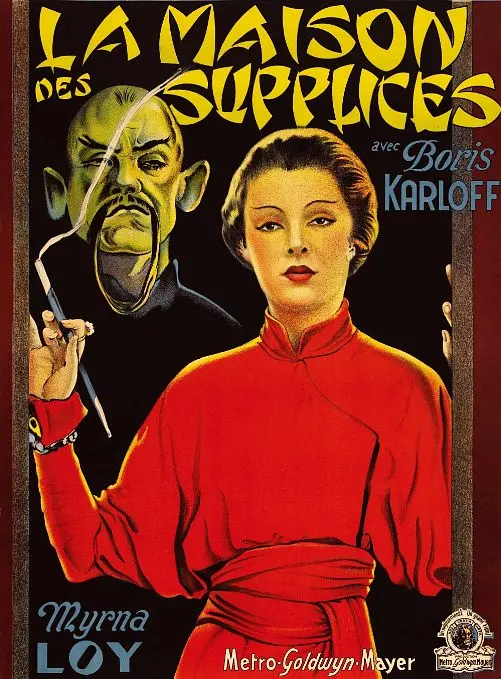
傅满洲的面具

艾曼纽3:再见艾曼纽

影子大亨

我们愉快的好日子

摩尔秀 第一季

没有砍十次还不倒的树

钮扣战争

这个首富,只想疯狂追妻

傅满洲的城堡

冲向天外天
喜剧开场

恶虎情歌

不能笑的孤独粉丝见面会

抢救疑情大兵
错付 2026

地久婚长

罪在爱你

瘟疫医生

逐爱
